How to Pack Hot and Cold Lunches Safely
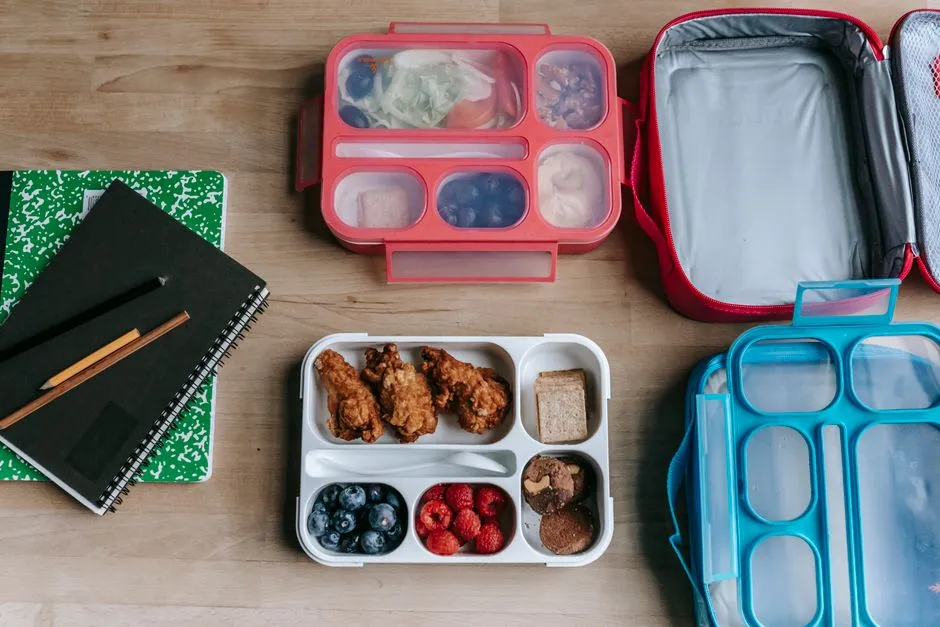
- What keeps a packed lunch fresh and safe?
- Which lunch foods need temperature control?
- How do you pack a cold lunch safely?
- How do you keep a hot lunch hot?
- Use a four-check freshness timeline
- How do you protect texture without compromising safety?
- How quickly should cooked lunch food be cooled?
- How should you reheat a meal-prep lunch?
- How do you prevent cross-contamination while packing?
- What changes when someone has a food allergy?
- What about cars, classrooms and outdoor lunches?
What keeps a packed lunch fresh and safe?
A packed lunch stays fresh when you manage three separate things: temperature, moisture and time. Temperature is the safety control. Perishable cold food should stay at 40°F (4°C) or below, while food packed hot should stay at 140°F (60°C) or above. Moisture control keeps crackers crisp, wraps firm and fruit appealing. Time determines when food must be refrigerated or discarded.
That distinction matters. A lunch can look tidy and smell normal without having stayed at a safe temperature. It can also be safely cold but disappointing because dressing soaked the greens. Pack for safety first, then protect texture with separate containers and a sensible order.
Use a food thermometer when you are testing a lunch routine. The bag feeling cool is not a temperature reading.
Which lunch foods need temperature control?
Treat cooked meat and poultry, egg salad, yogurt, cut fruit, cooked rice, pasta salad, leftovers and similar perishable foods as cold-lane foods unless you are packing them in a tested hot container. Soup, chili and other foods intended to be eaten hot belong in the hot lane.
Some shelf-stable foods do not need a cold source. The USDA lists examples including whole fruits and vegetables, breads, crackers, peanut butter, jelly, mustard and pickles. Check package directions because an unopened shelf-stable product may require refrigeration after opening.
Do not use appearance, smell or a small taste as a safety test. If a perishable lunch has spent too long without temperature control, discard it.
How do you pack a cold lunch safely?
Start with food that is already refrigerator-cold. Keep the refrigerator at 40°F (4.4°C) or below. If you cooked the food the night before, divide it into shallow containers so it cools promptly, then refrigerate it rather than putting warm food straight into the lunch bag.
Use an insulated lunch bag and at least two frozen cold sources. The USDA's specific option is two frozen gel packs, each no smaller than 5 by 3 inches, or one frozen gel pack plus a frozen juice box or frozen bottle of water. Put one cold source above the perishable food and one below it. Freeze the packs overnight.
Pack the bag shortly before leaving, close it fully and keep it out of direct sun. If a refrigerator is available at work or school, move the perishable food there on arrival. When the whole insulated bag goes in the refrigerator, leaving it open allows cold air to circulate around the contents.
For a new bag, route or schedule, check a representative food in the center of the lunch at the actual eating time with a clean food thermometer. If it is above 40°F, add cold capacity, shorten the unrefrigerated interval or use a refrigerator. Do not assume a larger bag or a frozen drink will work without testing the complete setup.
The federal guidance behind this method is the USDA's Keeping “Bag” Lunches Safe page and the current FoodSafety.gov bag-lunch guidance.
How do you keep a hot lunch hot?
Use a clean insulated food container designed for hot food, and follow its manufacturer instructions. Fill it with boiling water, close it and let it stand for a few minutes. Empty the water, add piping-hot food and seal the container promptly. Fill it close to capacity when practical and keep it closed until lunch.
Leftovers must be reheated to 165°F (73.9°C) before they go into the container. The packed food then needs to remain at 140°F (60°C) or above. Test the food at the planned eating time when you first use a container or change portion size, route or weather conditions. If the container cannot hold that temperature, refrigerate the food and reheat it at lunchtime instead.
Keep the hot container away from cold food and cold packs so neither system works against the other. For children, confirm that the lid can be opened safely and that they understand hot food and steam can burn.
Use a four-check freshness timeline
The night before: Cool cooked food in shallow containers, refrigerate it promptly and freeze the gel packs. Put sauces and juicy ingredients in their own sealed containers. Label leftovers with the date so the 3-to-4-day refrigerator limit is visible.
In the morning: Pack cold food directly from the refrigerator. Place the two frozen sources above and below the perishable items. For a hot lunch, preheat the insulated container and add food only after it has reached 165°F.
On arrival: Put cold perishables in a refrigerator or cooler when one is available. Keep the lunch out of parked cars and direct sun. A vehicle interior is not temperature-controlled storage.
At lunch: Check the temperature while validating a new setup. Cold perishables should be 40°F or below; hot food should be 140°F or above. If the planned storage failed or the time out of control is unknown, discard the perishable food.
This timeline answers the practical meaning of “fresh”: safe temperature is maintained, wet and dry components stay separate, and the food is eaten within its storage window.
How do you protect texture without compromising safety?
Let cooked components chill before sealing the final lunch container. Closing warm food traps condensation, while placing it in the lunch bag before it has cooled also makes the cold sources work harder.
Pack dressings, salsa and other wet additions separately. Keep crackers, toasted seeds and crisp toppings in a dry container. For wraps, put a relatively dry layer between the tortilla and juicy fillings, then add sauce at lunchtime. Leakproof containers also stop strong aromas and liquids moving between foods.
These are quality choices, not substitutes for temperature control. A divided box does not make chicken, yogurt, cut fruit or cooked rice shelf-stable. Likewise, a lunch that loses some crunch is not automatically unsafe if it stayed within the correct temperature lane.
Our sheet-pan lemon chicken lunch boxes make four lunches; chill the portions promptly and keep the sauce separate. The same wet-and-dry approach works for chickpea crunch wraps.
How quickly should cooked lunch food be cooled?
Refrigerate perishable cooked food within two hours. When the surrounding temperature is above 90°F (32.2°C), that window is one hour. Divide large batches among shallow containers so they cool faster.
Use cooked leftovers within three to four days in the refrigerator, or freeze them. These limits come from the USDA's Leftovers and Food Safety guidance. A date label is more reliable than trying to remember when a container was cooked.
If perishable food has been at room temperature for more than two hours, or more than one hour when the temperature is above 90°F, discard it. The same rule applies after lunch. Do not save the remaining portion for later unless it has stayed under safe temperature control.
How should you reheat a meal-prep lunch?
Use a microwave-safe container and remove foil, metal utensils and any lid that is not microwave-safe. Vent the covering so steam can escape. Covering the food, stirring or rotating it and allowing standing time help address microwave cold spots.
Reheat leftovers to 165°F (73.9°C). Check in several places with a clean food thermometer, especially in thick or dense portions. A frozen bean and rice burrito will need more time than a refrigerated one; the temperature, not a fixed number of minutes, decides when it is ready.
Follow the appliance and container instructions. Take care when removing a cover because trapped steam can burn.
How do you prevent cross-contamination while packing?
Keep raw chicken, meat and seafood and their packaging away from cooked and ready-to-eat lunch ingredients. Wash hands, cutting boards, utensils, counters and containers after they contact raw food. Do not wash raw chicken; USDA warns that splashing can spread bacteria to foods, utensils and surfaces. Cook poultry to 165°F, measured with a food thermometer in the thickest appropriate part.
Do not reuse a marinade that touched raw poultry as a finished sauce unless the recipe includes a verified kill step. The safer packing routine is to reserve a clean portion before the raw food is added.
Clean the lunch bag after each use and let it dry fully. Pay attention to seams and corners. Replace cracked containers, lids that no longer seal, leaking gel packs and bags with torn insulation.
What changes when someone has a food allergy?
Read the complete label every time, including products bought before. The FDA requires major food allergens to be identified on most packaged foods it regulates, but label requirements do not cover every kind of food or every service setting. The FDA also defines allergen cross-contact as the inadvertent introduction of a major allergen into a product.
Use clean hands, utensils, boards, containers and work surfaces. Keep the allergy-safe meal sealed and clearly identified, and consider shared refrigerators, tables and microwaves as possible cross-contact points. Scraping off a visible ingredient does not make a food safe for someone allergic to it.
Follow the person's written medical and emergency plan and the rules of the school, workplace or care setting. If symptoms of an allergic reaction begin, stop eating, follow the emergency plan and seek medical attention. FDA's current food-allergy guidance explains labels, cross-contact and reaction response.
What about cars, classrooms and outdoor lunches?
Never use a parked car as storage for a perishable lunch. For an outdoor day, keep the cooler shaded and open it as little as possible. A separate drinks cooler reduces repeated opening of the food cooler.
For a classroom lunch, use containers the child can open, but do not trade away insulation or a secure seal. Pack at least two cold sources for perishables. Test a hot-food jar at the real lunchtime before relying on it, and teach the child to handle hot food and steam safely.
The dependable routine is simple: chill food before packing, use two properly sized cold sources or a tested hot container, store the lunch correctly on arrival, and verify the system with a thermometer. Then use separate containers to preserve texture and make the meal pleasant to eat.