Sheet-Pan Lemon Chicken Lunch Boxes for Four Days
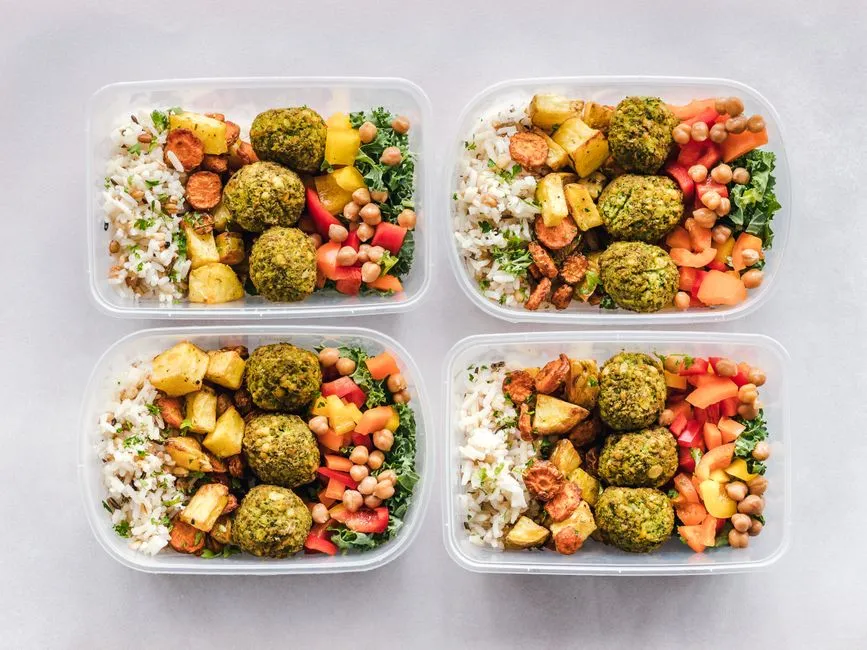
- Four lemon-chicken lunches, one sheet pan
- Recipe card
- Ingredients
- Equipment
- 1. Heat the oven and prepare the rice
- 2. Make the lemon seasoning
- 3. Season the chicken without washing it
- 4. Season the vegetables
- 5. Roast and verify each piece
- 6. Mix the cold lemon sauce
- 7. Cool and portion
- Keep the lemon flavour clear through day four
- Pack the lunch cold
- Reheat evenly
- Variations that keep the ratios sound
- Troubleshooting
- Sources
Four lemon-chicken lunches, one sheet pan
These lunch boxes pair lemon-oregano chicken thighs with roasted broccoli, pepper, onion, and cooked brown rice. The recipe makes four substantial portions and uses one sheet pan for the raw ingredients. A food thermometer, not colour or a knife cut, decides when the chicken is safe.
The lemon is built in two stages: zest and measured juice season the chicken and vegetables before roasting, while a cold yogurt sauce or fresh wedge goes on after reheating. That final addition keeps a Thursday lunch tasting like lemon rather than merely remembering that it met one on Sunday.
The vegetables roast beside the chicken but stay in separate zones, which limits crowding and makes portioning clearer. The cold sauce travels in its own container. If you prefer a dairy-free lunch, skip the sauce or use a labelled suitable alternative.
Recipe card
- Yield: 4 lunch boxes
- Prep: 20 minutes
- Cook: approximately 20-25 minutes
- Oven: 425 F (220 C, rounded from 218.3 C)
- Pan: one 18-by-13-inch (46-by-33-centimetre) rimmed sheet pan
- Per box: about 6 ounces (170 g) raw chicken before cooking, 1 cup cooked brown rice, one-quarter of the vegetables, and one sauce pot or lemon wedge
- Safe endpoint: chicken at 165 F (73.9 C)
- Cold storage: 3-4 days at 40 F (4.4 C) or below
Times vary with piece size, pan material, oven accuracy, and how closely ingredients sit. Begin checking before the estimate ends.
Ingredients
Chicken and vegetables
- 1 1/2 pounds (680 g) boneless, skinless chicken thighs
- 12 ounces (340 g) broccoli florets, cut to roughly 1 1/2-inch (4-centimetre) pieces
- 1 medium red or yellow bell pepper, stemmed, seeded, and cut into 1-inch (2.5-centimetre) pieces
- 1 small red onion, about 6 ounces (170 g), cut into 8 wedges
- 3 tablespoons (45 mL) olive oil, divided
- 2 medium lemons: finely grate the zest from 1 lemon, measure 3 tablespoons (45 mL) juice, and cut the remaining fruit into 4 wedges
- 2 garlic cloves, finely grated or minced
- 1 teaspoon (5 mL) dried oregano
- 1 teaspoon (5 mL) fine salt, divided
- 1/2 teaspoon (2.5 mL) black pepper, divided
For the lunch boxes
- 4 cups cooked brown rice, cooled safely
Optional yogurt sauce
- 3/4 cup (180 mL) plain Greek yogurt
- 1 tablespoon (15 mL) lemon juice
- 1 tablespoon (15 mL) water, plus more by the teaspoon if needed
- 1 tablespoon chopped parsley or dill
- 1/4 teaspoon (1.25 mL) fine salt
Allergen note: the optional sauce contains milk. Ingredient and facility labels vary; check every package and manage cross-contact for your needs.
Two lemons correct a quiet practical problem in many lemon-lunch recipes: one fruit may provide the zest and measured juice but leave no useful wedges. Lemon size and juice yield vary, so measure the 3 tablespoons rather than assuming a fruit count equals a liquid volume.
Equipment
- one rimmed sheet pan
- parchment paper, optional and rated for the oven temperature
- two cutting boards, including one dedicated to raw poultry
- chef's knife
- small bowl
- instant-read food thermometer
- four shallow meal-prep containers
- four small leak-resistant sauce pots, if using sauce
Do not use the raw-chicken board, plate, or tongs for cooked food until they have been washed and sanitised appropriately.
1. Heat the oven and prepare the rice
Place a rack in the middle of the oven and heat to 425 F (220 C). Line the pan with parchment if desired, checking the manufacturer's maximum temperature.
Cook brown rice according to its packet, or use previously cooked rice held safely. You need four measured cups cooked. If cooking now, spread it in a shallow container after cooking so it cools promptly. Do not leave a deep pot of hot rice at room temperature to cool slowly.
USDA leftovers guidance says food should be refrigerated within two hours, or one hour when conditions exceed 90 F (32.2 C), and large amounts should be divided into shallow containers. It also gives refrigerated leftovers a 3-4-day window at 40 F or below.
2. Make the lemon seasoning
In a small bowl, combine the zest from 1 lemon, 3 tablespoons lemon juice, garlic, oregano, 2 tablespoons (30 mL) olive oil, 3/4 teaspoon (3.75 mL) salt, and 1/4 teaspoon (1.25 mL) pepper.
Measure 1 tablespoon (15 mL) of this mixture into a separate clean bowl for the vegetables before the remaining mixture touches raw chicken. This transfer prevents poultry marinade from becoming vegetable dressing.
The zest handles the roasted half of the lemon flavour; the separate wedge or yogurt sauce handles the fresh half at lunch. Do not reserve or reuse any mixture after it has contacted raw poultry.
3. Season the chicken without washing it
Pat the chicken dry with disposable paper towel and place it on the raw-poultry board. Do not rinse it. USDA advises against washing raw chicken because bacteria in raw poultry and its juices can spread to foods, utensils, and surfaces.
Trim large loose pieces of fat. If thighs vary greatly, cut the largest so pieces are similar in thickness. Coat them with the remaining lemon mixture using clean tongs, then place them across one half of the sheet pan with space between pieces.
Wash hands with soap and water and clean and sanitise surfaces and utensils that contacted raw poultry. Use fresh tongs or wash the originals before handling cooked chicken.
4. Season the vegetables
On a clean board, cut the broccoli, pepper, and onion. Toss them with the reserved 1 tablespoon lemon mixture, the remaining 1 tablespoon (15 mL) olive oil, 1/4 teaspoon (1.25 mL) salt, and 1/4 teaspoon (1.25 mL) pepper.
Spread vegetables across the other half of the pan. Keep them in one layer where possible. If the 18-by-13-inch pan is crowded, use a second pan. Crowding traps steam, so the vegetables soften with less edge browning.
Keep raw chicken juices from dripping onto food that will not receive full cooking. Every vegetable on this pan will cook, but the separate zones make utensil control and later portioning clearer.
5. Roast and verify each piece
Roast for 15 minutes, then rotate the pan. Stir the vegetables with a clean spatula. Begin checking chicken temperature at 20 minutes.
Insert the thermometer from the side into the thickest part of the largest thigh, avoiding the pan. Check more than one piece because thickness varies. Every piece must reach at least 165 F (73.9 C). USDA's safe temperature chart applies that endpoint to all poultry.
Remove pieces that have reached 165 F to a clean plate, then continue roasting larger pieces and vegetables as needed. The vegetables should be browned at the edges and tender when pierced, usually within the same 20-25-minute window.
Pink colour is not a safety test; safely cooked poultry can retain pink tones. Temperature provides the answer.
6. Mix the cold lemon sauce
While the pan roasts, stir yogurt, 1 tablespoon lemon juice, 1 tablespoon water, herbs, and 1/4 teaspoon salt. Add extra water 1 teaspoon (5 mL) at a time only until spoonable. Divide among four small pots and refrigerate.
Never pack the cold yogurt sauce into the hot food container. Keep it cold and separate until after reheating. If omitting the dairy sauce, put one of the 4 lemon wedges in each sauce pot instead; the pot contains juice and keeps it off the rice until serving.
7. Cool and portion
Let the chicken rest briefly on a clean plate. Do not leave the meal at room temperature for extended cooling. Divide rice, vegetables, and chicken among four shallow containers: 1 cup rice per box, one-quarter of the vegetables, and one-quarter of the chicken.
If large thighs make unequal portions, slice the cooked chicken on a clean board and divide by weight. Aim for roughly 6 ounces (170 g) raw chicken per portion before cooking; moisture loss will reduce cooked weight.
Place the shallow containers in the refrigerator promptly. Vent them briefly only if the container manufacturer and your food-safety practice permit, then cover once steam has subsided. The controlling limit is refrigeration within two hours, or one hour above 90 F (32.2 C), not whether a lid feels cool in your hand.
Label each box with the cooking date. Refrigerate at 40 F (4.4 C) or below and use within 3-4 days. Freeze portions that will not be eaten in that window. For the best texture, freeze chicken and rice without yogurt sauce; broccoli and pepper will soften after thawing.
Keep the lemon flavour clear through day four
Roasted lemon juice supplies acidity, but fresh lemon aroma is easiest to notice when some lemon is added after heating. Keep these quantities stable:
- Use the zest from 1 lemon and exactly 3 tablespoons juice in the roasting mixture.
- Pack one of the 4 wedges or one of the four yogurt sauce pots separately.
- Reheat the chicken, rice, and vegetables first.
- Add the cold sauce or squeeze the wedge over the hot lunch only after the food reaches 165 F.
If you want more lemon without adding more liquid to the pan, zest the second lemon too and add that zest to the vegetable portion before roasting. Keep the juice at 3 tablespoons so the seasoning volume and pan moisture do not change. This is the cleanest single-variable adjustment for the next batch.
If the first lunch tastes sharp but the fourth tastes flat, do not increase every acidic ingredient at once. Add the fresh wedge at serving and keep a note. On the next batch, adjust either zest or finishing juice, then compare.
Pack the lunch cold
Move one chilled box and its separate sauce pot directly from refrigerator to an insulated lunch bag with at least two cold sources. FoodSafety.gov's bag-lunch guidance says perishable lunches should travel with two cold sources and go into a refrigerator or cooler on arrival when one is available.
Do not carry the box in a warm backpack all morning. Starting cold does not establish that it remained at 40 F (4.4 C) or below until lunch. The hot-and-cold lunch packing guide explains cold-pack placement and the two-hour rule.
If there is no microwave, the cooked chicken box may be eaten cold only when it has been cooked, cooled, stored, and transported within the same safety limits. Keep the sauce cold too. A cold lunch is a serving choice, not an exception to temperature control.
Reheat evenly
Remove the sauce and lemon wedge. Transfer food to a microwave-safe dish if the meal-prep container is not explicitly microwave-safe. Cover and vent as directed.
Microwave on high for 90 seconds, stir the rice and vegetables, turn the chicken pieces, then heat in 30-second increments. Appliance power varies. Let the food stand, then check chicken and rice in several places; leftovers must reach 165 F (73.9 C). Add 1 tablespoon (15 mL) water to the rice before heating if it is dry.
Spoon the cold sauce over the hot meal or squeeze on the wedge only after the safe temperature is reached. Discard perishable leftovers that have remained outside safe time or temperature limits. Reheating cannot correct every storage error.
Variations that keep the ratios sound
Replace broccoli with 12 ounces (340 g) cauliflower florets of similar size. Replace bell pepper with 8 ounces (225 g) courgette, cut thickly; it may soften more. Use cooked quinoa instead of rice, measuring 1 cooked cup per lunch.
For dairy-free boxes, omit the yogurt sauce and add lemon after reheating. Do not marinate chicken for longer than the poultry package and food-safety guidance allow, and always marinate it under refrigeration.
For a meatless cold lunch on another day, the chickpea crunch wraps keep wet filling separate. For a freezer option, the bean and rice burritos are built to reheat from the centre outward.
Troubleshooting
Chicken is done before vegetables: Remove each piece when it reaches 165 F and return the vegetables to the oven. Do not leave cooked chicken in solely to match the vegetable timing.
Vegetables are watery: Dry them, spread them farther apart, and avoid piling. Use two pans if necessary.
Rice is hard after reheating: Add the measured 1 tablespoon water, cover, and reheat in shorter 30-second intervals.
Sauce is thin: Use thicker yogurt or reduce the first 1 tablespoon water. Do not add more yogurt after the sauce has sat outside safe temperature limits.
The lemon tastes muted: Add the separately packed wedge after reheating. On the next batch, add the second lemon's zest while keeping the 3-tablespoon juice measurement unchanged.
The working sequence is direct: keep raw poultry separate, measure the lemon, verify every chicken piece at 165 F, cool in shallow containers, keep the lunch at 40 F or below, reheat to 165 F, and add the cold lemon finish last.
Sources
- USDA FSIS: Leftovers and Food Safety (accessed September 4, 2026). Supports the 165 F poultry and reheating endpoints, 40 F cold limit, 3-4-day refrigerated window, shallow-container cooling, and two-hour/one-hour limits.
- USDA FSIS: Chicken from Farm to Table (accessed September 4, 2026). Supports not washing raw chicken, separating raw poultry, cleaning contacted surfaces, and the 165 F chicken endpoint.
- USDA FSIS: Safe Minimum Internal Temperature Chart (accessed September 4, 2026). Supports 165 F for all poultry and reheated leftovers.
- FoodSafety.gov: Food Safety by Events and Seasons (accessed September 4, 2026). Supports using two cold sources for perishable bag lunches and refrigerating them on arrival when possible.